
2026 Home Renovation Trends in Toronto & Ontario: What’s Shaping the Homes of Tomorrow?
If the past few years have taught Ontario homeowners anything, it’s that the way we renovate—and why we renovate—has changed.
As we head into 2026, home renovations across Toronto and Ontario are slowing, but not stopping. Economic uncertainty, fluctuating tariffs, and rising material costs have made homeowners more cautious. But they’ve also made renovation decisions more intentional.
Rather than chasing fast trends or full-scale overhauls, homeowners are asking deeper questions: What actually adds value? What improves daily life? And what will still feel right five or ten years from now?
According to global trend forecasters, Canadian design authorities, and Ontario-based industry organizations, 2026 marks a clear shift toward homes that feel warmer, more personal, and more connected to nature and well-being—without losing sight of practicality.
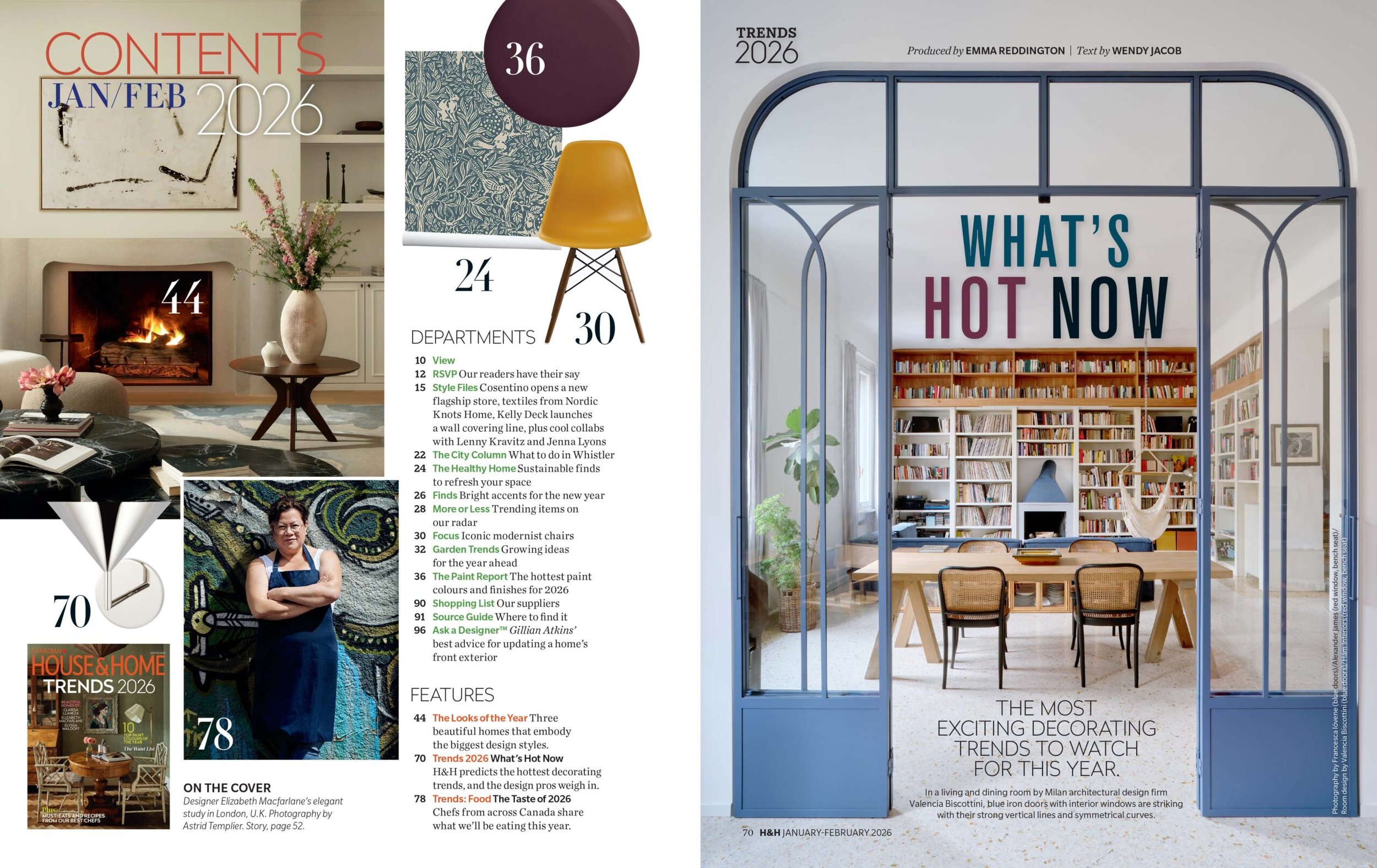
Source: houseandhomes.com
A Shift in Mindset:
Renovating With Intention
One of the most important takeaways from the 2026 forecast isn’t a specific colour or material—it’s a mindset shift.
WGSN, one of the world’s leading trend forecasting agencies, describes 2026 as a year of “Redirection.” After years of quiet luxury, minimalism, and restraint, people are craving homes that feel expressive, emotionally grounding, and deeply personal. This doesn’t mean excess for the sake of it. It means choosing materials, layouts, and finishes that support stability, creativity, and longevity.
In Ontario, this shift is particularly relevant. With renovation budgets under closer scrutiny, homeowners are moving away from “rip it all out” renovations and toward phased upgrades, smarter layouts, and higher-quality materials that age well.
Colour Returns And Has Meaning Again
For years, grey and white dominated Toronto interiors. They were safe, neutral, and resale-friendly. But by 2026, those palettes feel emotionally flat.
WGSN’s 2026 Colour of the Year, Transformative Teal, captures this turning point. This blue-green tone isn’t just a colour trend—it reflects a broader cultural desire for ecological responsibility, emotional recovery, and balance. Sitting between blue (calm, trust) and green (growth, nature), Transformative Teal represents stability during change.
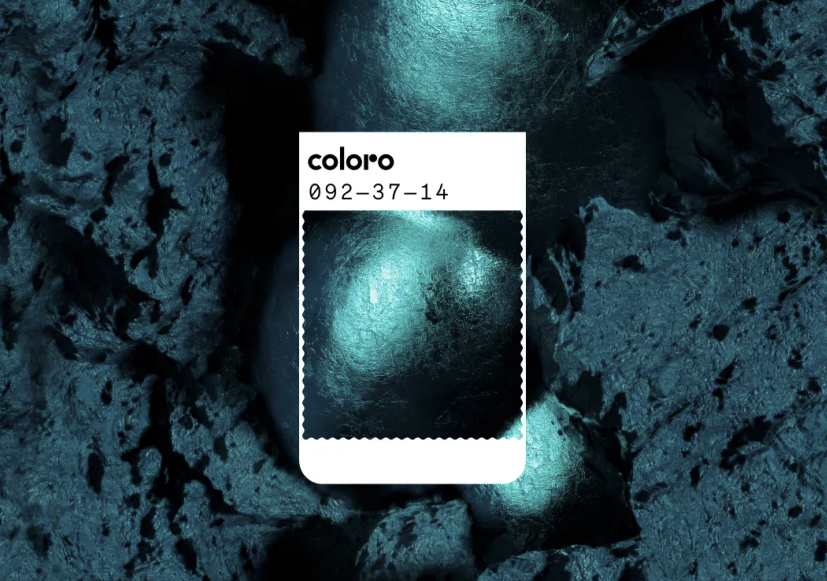
Source: wgsn.com
In practical renovation terms, this doesn’t mean every Toronto home will suddenly turn teal. Instead, we’re seeing a shift toward:
Blue-greens used in cabinetry, powder rooms, and accent spaces
Earthy, grounded palettes that feel restorative rather than stark
Deeper, more confident colour choices that replace grey as the “new neutral.”

Source: lighthausbuilt.com Bloor West, Toronto Condo Renovation

Source: lighthausbuilt.com Bloor West, Toronto Condo Renovation
Dulux Canada’s 2026 Colour of the Year, a deep forest green called Pine Forest, reinforces this direction. These colours work especially well in Toronto homes, where natural light can be limited and warmth is essential for comfort.
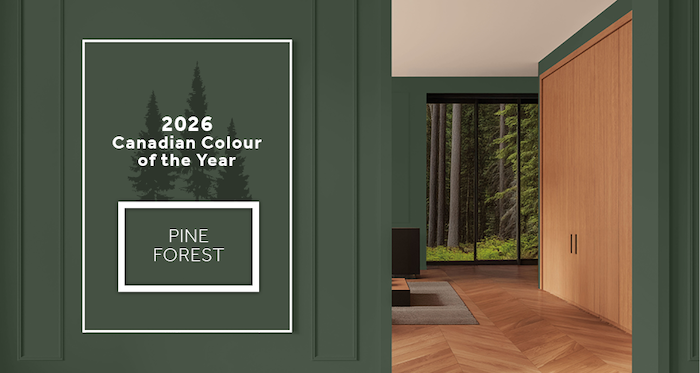
Source: dulux.ca
Moving Beyond Minimalism
Minimalism isn’t disappearing—but its dominance is.
Across publications like House & Home, Style at Home, Architectural Digest, and Azure Magazine, 2026 interiors are described as layered, lived-in, and collected over time. Homes are becoming more expressive, reflecting the people who live in them rather than a formulaic aesthetic.
This shows up in subtle but impactful ways:
Mixing old and new pieces instead of buying everything at once
Incorporating vintage finds, family heirlooms, or handcrafted elements
Using statement lighting, furniture, or wall treatments as focal points

Source: lighthausbuilt.com Roncesvalles, Toronto Addition & Renovation
For homeowners navigating uncertain economic conditions, this approach makes sense. Personal expression doesn’t require a full renovation—it can be achieved through targeted upgrades that bring character and depth to a space.
Natural Materials Become the Baseline
In 2026, sustainability is no longer a trend—it’s an expectation.
Ontario-focused sources, such as ARIDO and Houzz Canada, highlight that homeowners now expect their renovations to include low-VOC finishes, energy-efficient systems, and responsibly sourced materials. Natural materials, such as wood, stone, and plaster, are valued not just for their aesthetic appeal but also for how they age and perform over time.
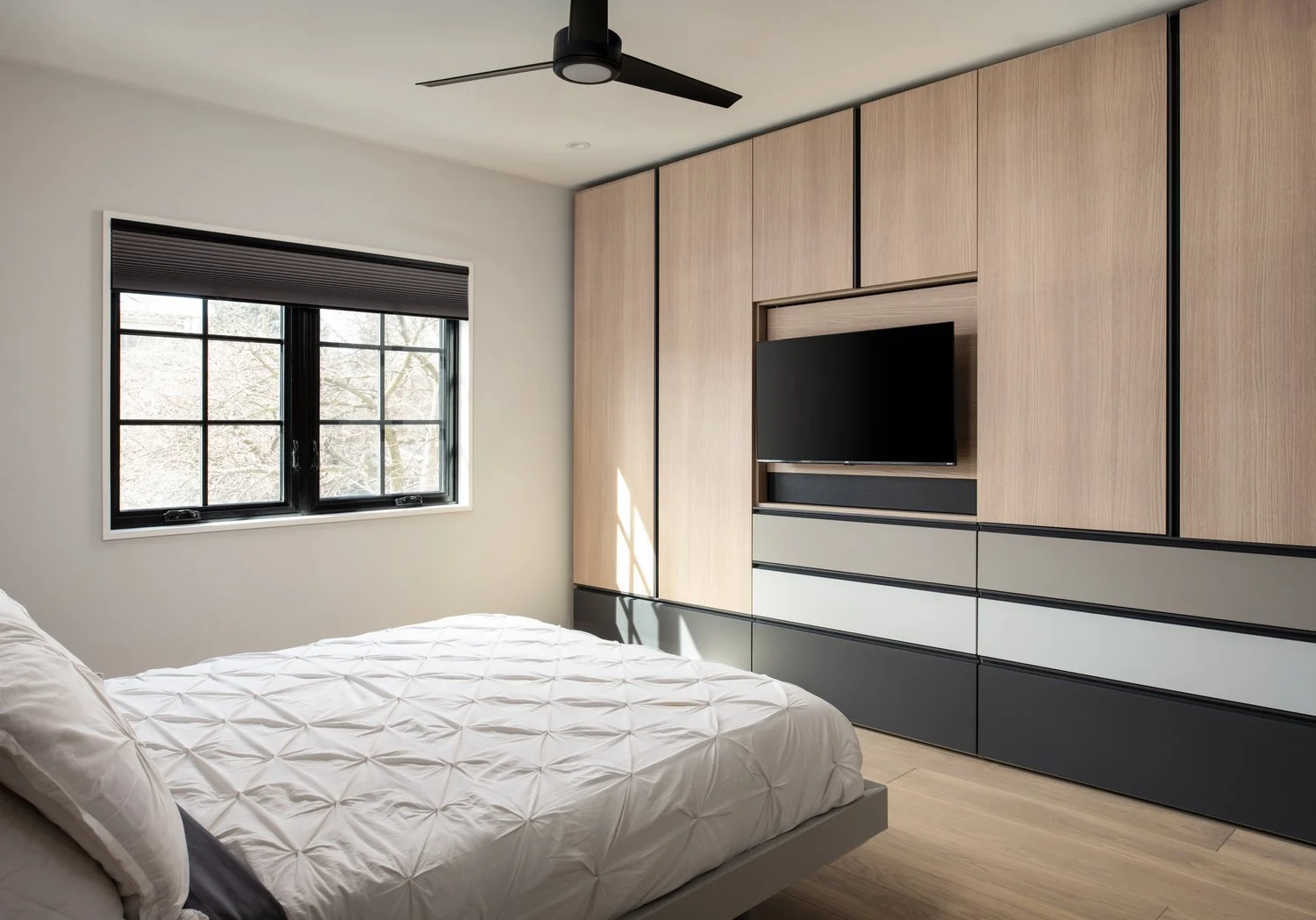
Source: lighthausbuilt.com Cabbage Town, Toronto, Renovation & Attic Conversion
This is especially relevant in Toronto, where long-term durability and energy efficiency directly impact operating costs and resale value. Thoughtful material selection—rather than trend-driven choices—has become one of the smartest renovation investments.
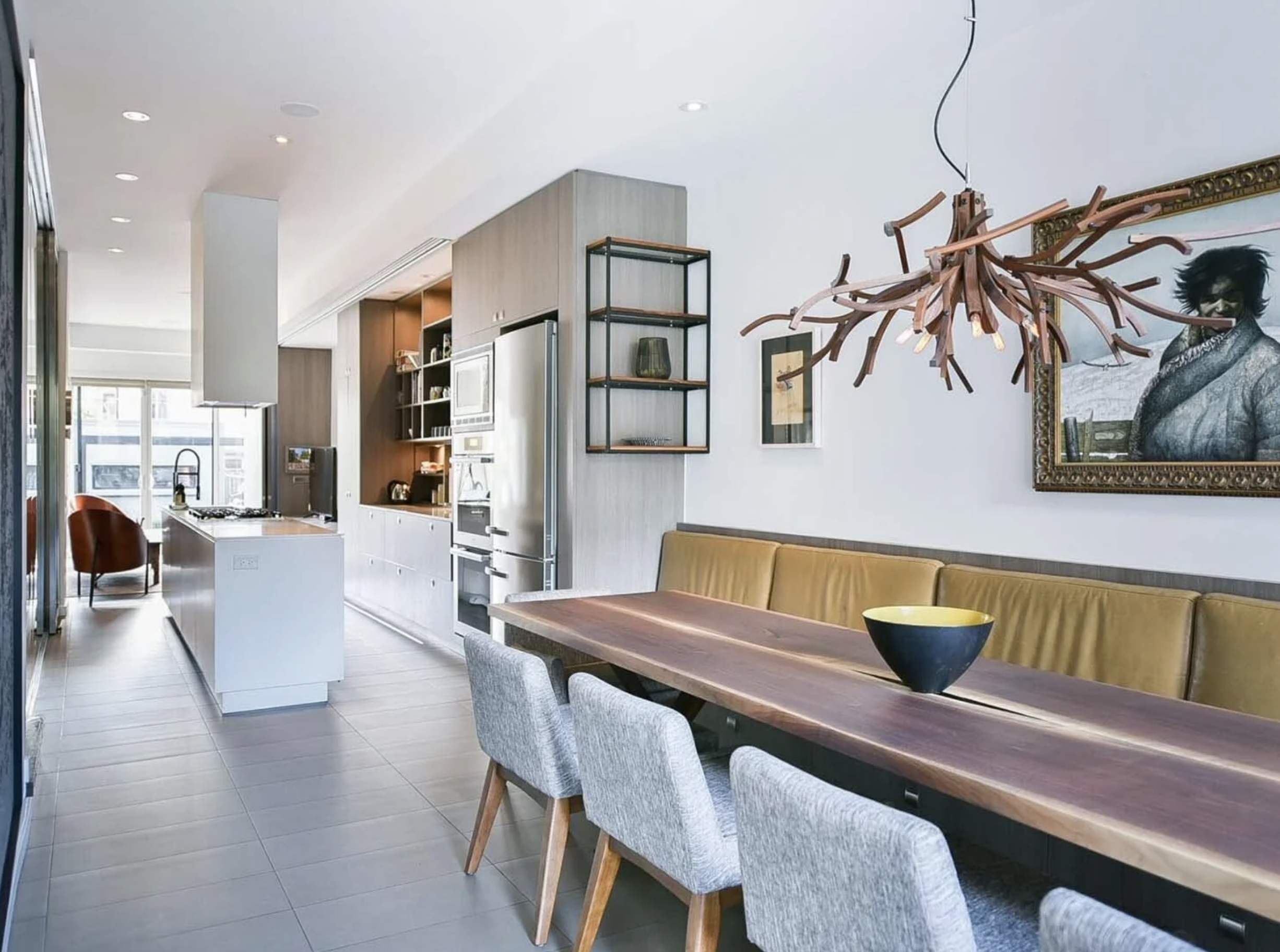
Source: brothersdressler.com Handmade solid wood chandelier and live-edge walnut table.
The Rise of Wellness at Home
Another theme shaping 2026 renovations is the continued focus on well-being.
Homes are no longer just places to live—they’re places to recover, recharge, and escape. Biophilic design, which emphasizes a connection to nature, remains a priority. But in 2026, it’s more refined and intentional.
Instead of simply adding plants, homeowners are incorporating:
Natural textures and earth-toned palettes
Layered lighting that supports circadian rhythms
Dedicated wellness spaces like reading nooks, spa-inspired bathrooms, or yoga corners
For urban Toronto homes, this approach helps create a sense of calm and balance—especially when outdoor space is limited.
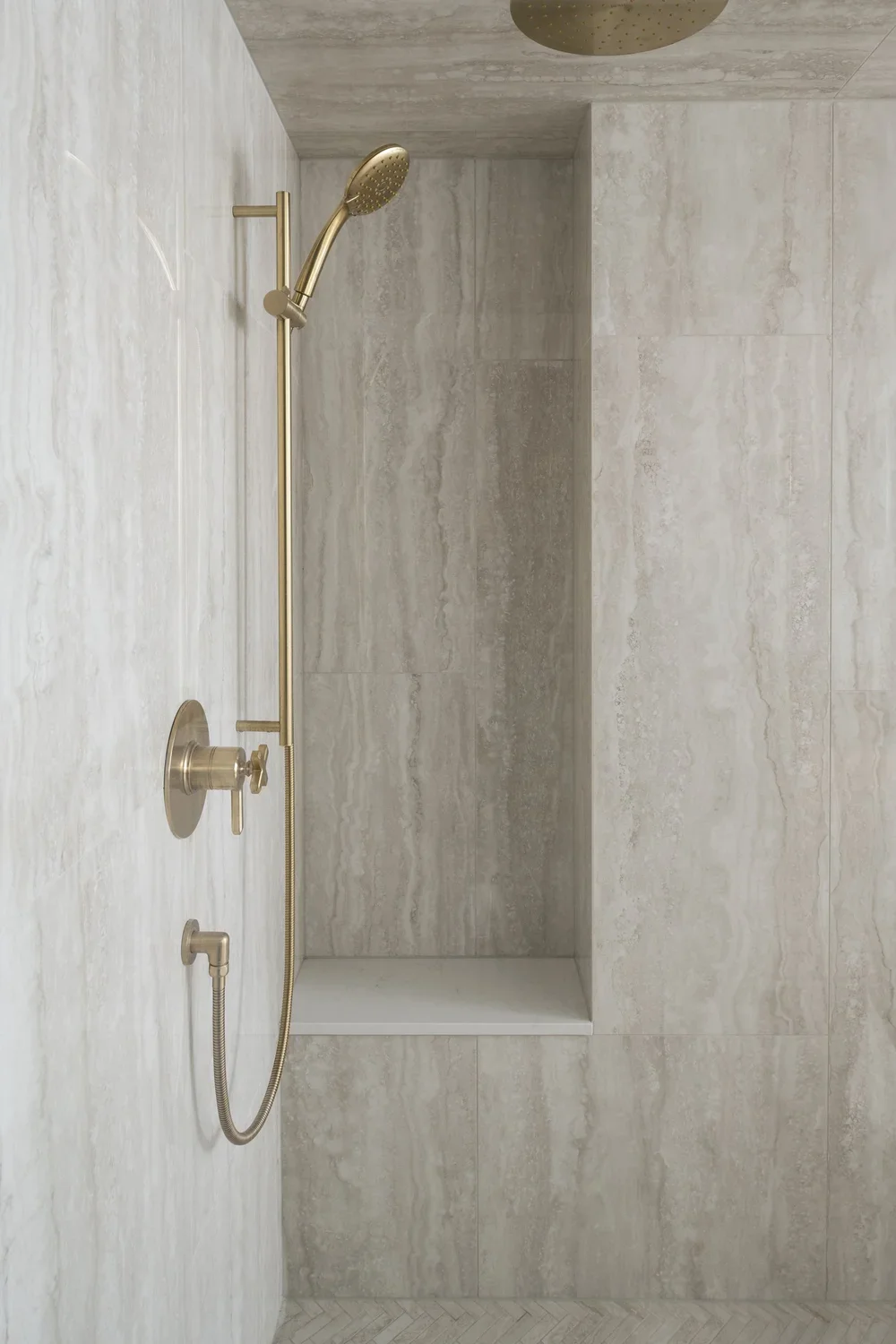
Source: lighthausbuilt.com Bloor West, Toronto Condo Renovation
Flexible Spaces for Real Life
As work patterns and family structures continue to evolve, flexibility remains one of the most practical renovation priorities in Ontario.
Rather than dedicating rooms to a single function, homeowners are opting for multi-purpose spaces that adapt over time. Home offices double as guest rooms. Built-in millwork creates storage while defining zones. Modular furniture allows rooms to shift as needs change.
In a high-cost housing market like Toronto, making better use of existing square footage is often more feasible—and more valuable—than expanding.
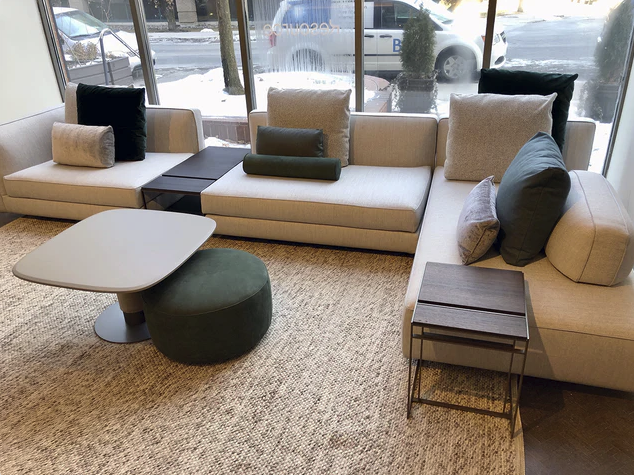
Source: resourcefurniture.ca
Softer Architecture & Curves Take Over
Visually, 2026 interiors are becoming softer and more fluid.
Curved furniture, arched doorways, rounded kitchen islands, and sculptural details are replacing sharp lines and boxy forms. This shift draws inspiration from Art Deco, historic European interiors, and organic shapes found in nature.
In Ontario homes—especially older properties—these softer elements help bridge the gap between traditional architecture and modern updates, creating spaces that feel both timeless and current.
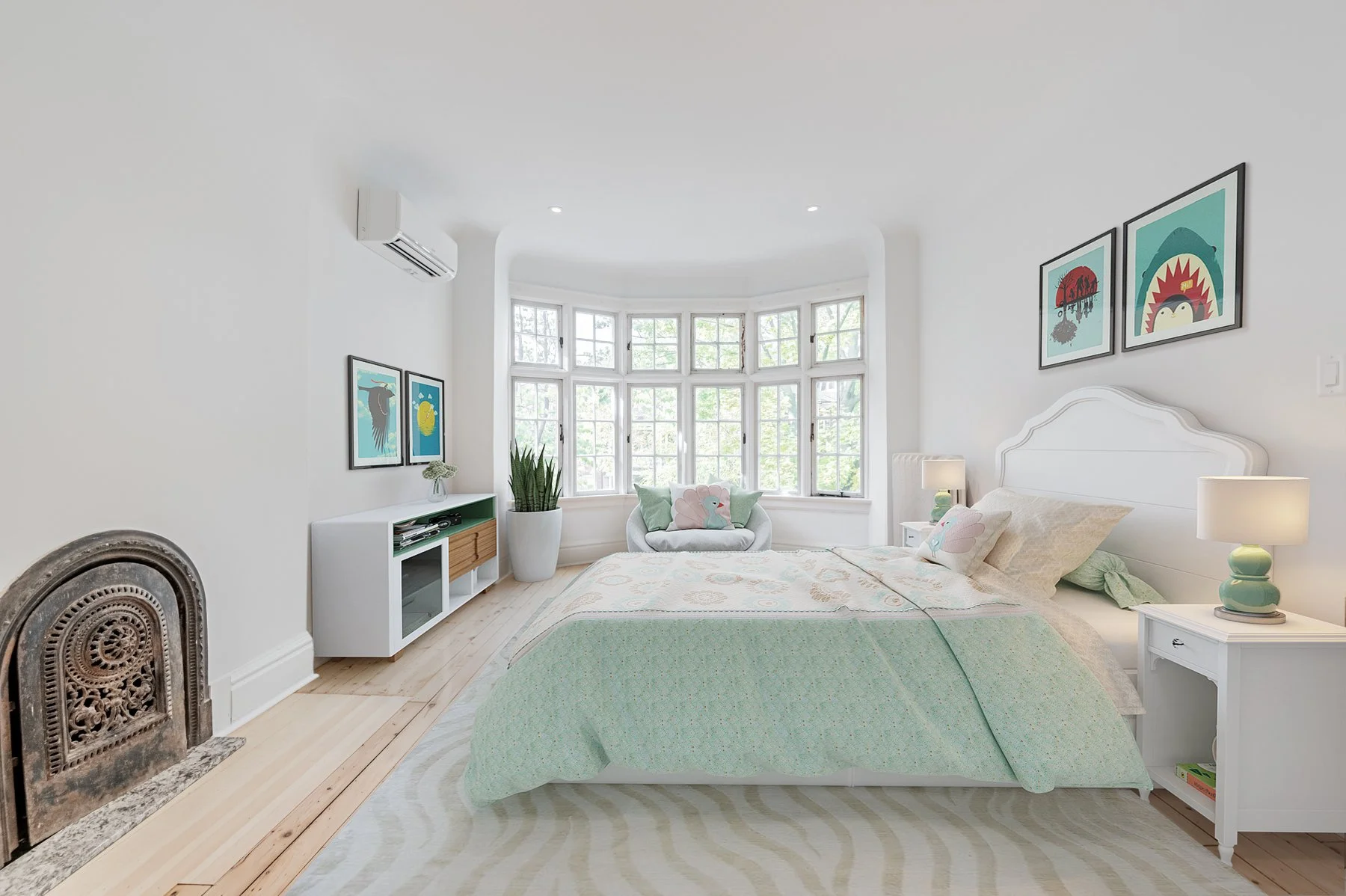
Source: lighthausbuilt.com Palmerston, Toronto, Whole-home Renovation in Bloor West Village.
Technology That Blends
Technology hasn’t disappeared in 2026—it’s just quieter.
Instead of visible gadgets and harsh lighting, homeowners are prioritizing seamless smart home integration. Hidden speakers, flush-mounted controls, layered lighting, and automation systems that work in the background are becoming the norm.
At the same time, renovation professionals are using AI and digital tools behind the scenes to improve communication, planning, and project transparency—something Houzz Canada identifies as increasingly important to homeowners.
Kitchens and Bathrooms:
Fewer Changes, Better Decisions
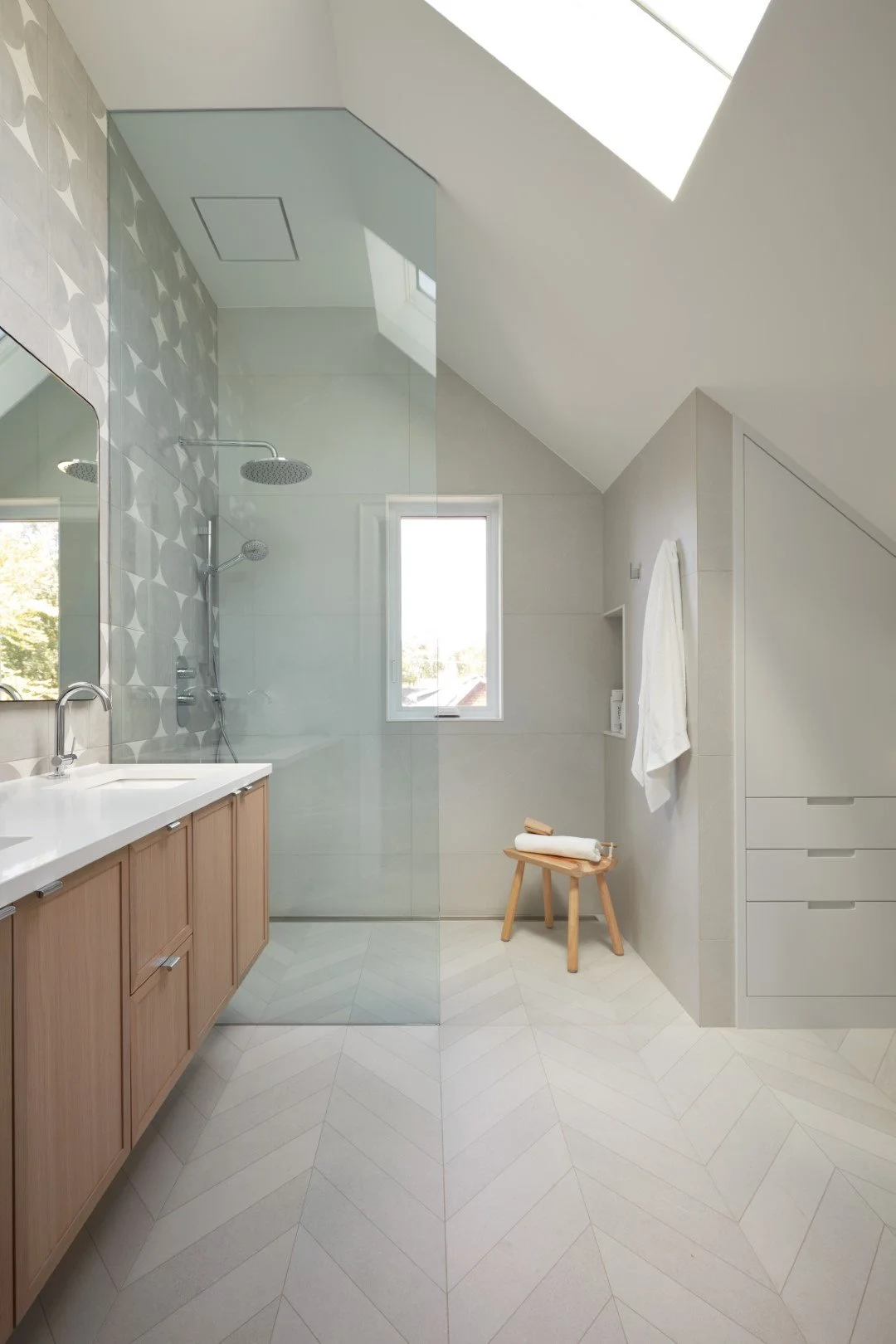
Given today’s economic realities, many homeowners are choosing to renovate smarter, not bigger—especially in kitchens and bathrooms.
Rather than full gut renovations, 2026 trends focus on:
Updating cabinetry colours or hardware
Introducing warm woods and natural stone
Improving lighting and functionality
These targeted upgrades deliver a strong impact while keeping projects manageable and future-proof.
Source: lighthausbuilt.com Moore Park Toronto, Addition & Renovation
What 2026 Really Means for Toronto Renovations
When you step back, the biggest takeaway from the 2026 home renovation forecast is this:
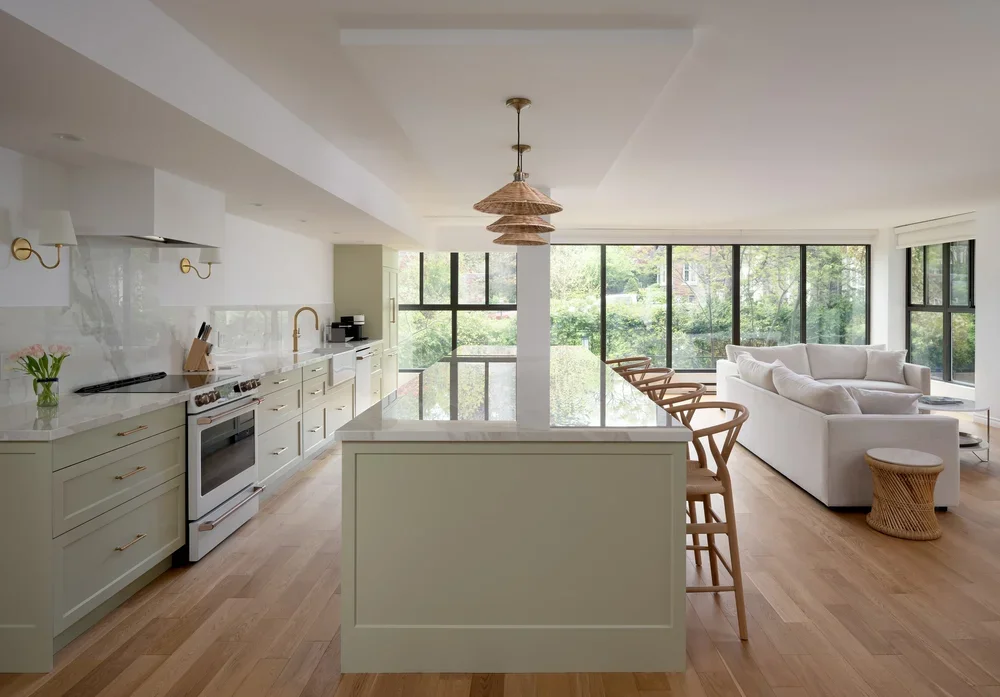
Homes are becoming more human again.
They’re warmer, more expressive, more connected to nature—and designed to support real life, not perfection. In a time of uncertainty, the most successful renovations are the ones that feel intentional, grounded, and built to last.
Source: lighthausbuilt.com Bloor West, Toronto Condo Renovation
Thinking About Renovating Your Toronto Home in 2026?
With renovation timelines, material costs, and design decisions becoming more complex, thoughtful planning matters more than ever. At Lighthaus Built, we specialize in design-forward, value-conscious home renovations across Toronto and Ontario—helping homeowners make confident decisions that balance beauty, performance, and long-term value.
Whether you’re planning a phased renovation, a kitchen or bathroom update, or a full home transformation in Toronto, our team brings clarity, transparency, and craftsmanship to every project.

Meet the Author

Dave Cook is co-owner of Lighthaus Built and has spent 17 years working in single-family construction in Toronto. Through the years, he has worked as a carpenter, site supervisor, and project manager for more than 60+ major, high-end renovations and custom homes.
As an HCRA-licensed builder, he and his company (Lighthaus Built) are well-versed in constructing high-quality homes and take pride in what they do.
On a personal level, Dave is very active in several sports - most notably, distance running, road cycling, and tennis. He bakes bread (for personal consumption) and no, this was not a Covid thing. He grew up eating homemade bread and has made my own for the past 20 years. He has been married for 20 years and has two teenage children and a dog.

Lighthaus Built’s
FREE Toronto Renovation Cost Guide
Are you considering a home addition or full home renovation and not sure how to budget for it?
Our free guide walks you through over 50 topics and how the cost of materials, labour and design ranges so you can plan for your Design-Build home renovation in Toronto.