
The Ultimate Guide to Building and Living in Moore Park
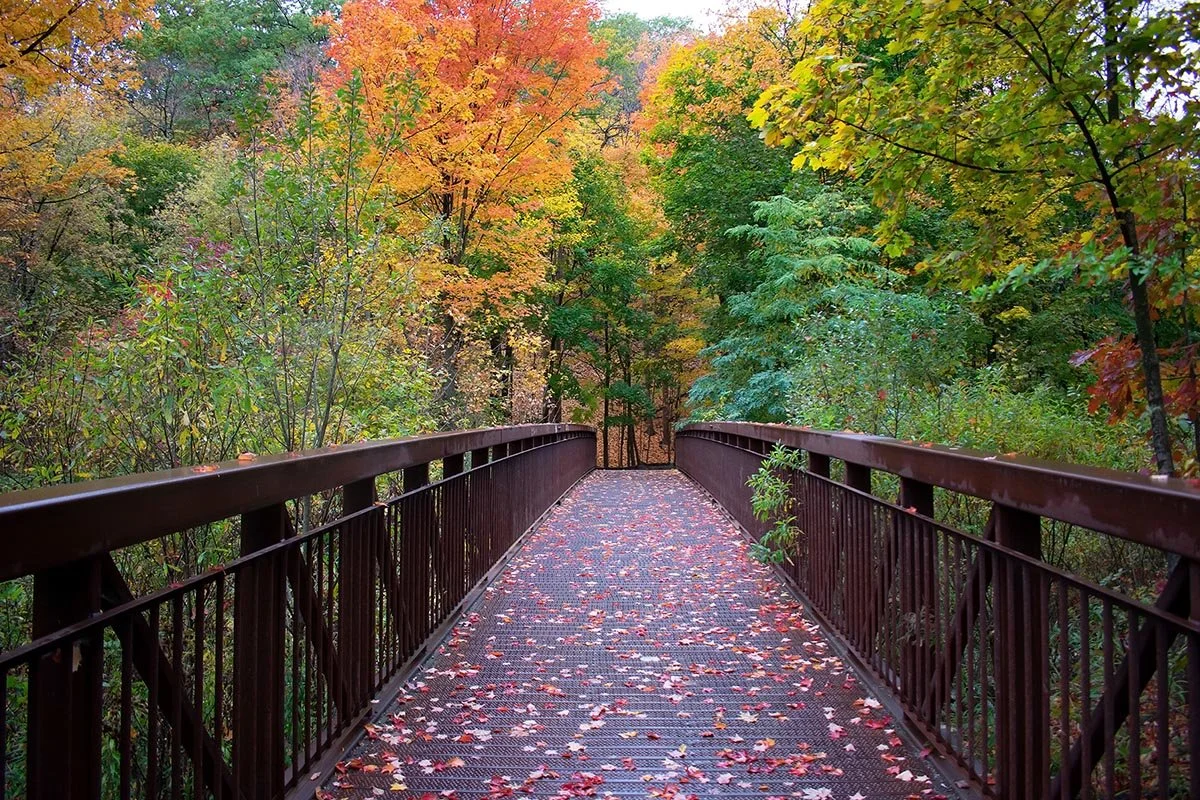
Tucked between Rosedale and Leaside, Moore Park is one of Toronto's oldest and most exclusive neighbourhoods — and one of its quietest. Whether you're considering a custom build, a heritage renovation, or simply thinking about moving in, Moore Park offers a rare mix of ravine-side natural beauty and century-old architectural charm just minutes from downtown.
Moore Park: A Unique Toronto Community
Moore Park sits on both sides of St. Clair Avenue East, framed entirely by natural boundaries — Mount Pleasant Cemetery to the north, the Canadian Pacific rail corridor to the south, the Moore Park Ravine to the east, and the Vale of Avoca to the west. The neighbourhood takes its name from developer John Thomas Moore, who subdivided the area in 1889 as an exclusive suburb for Toronto's wealthy and helped build the city's first commuter line, the Toronto Belt Line Railway, to draw buyers in. The railway went bankrupt within a few years, delaying development — but by the 1930s, Moore Park was fully built out, and it's remained one of the city's most desirable addresses ever since.
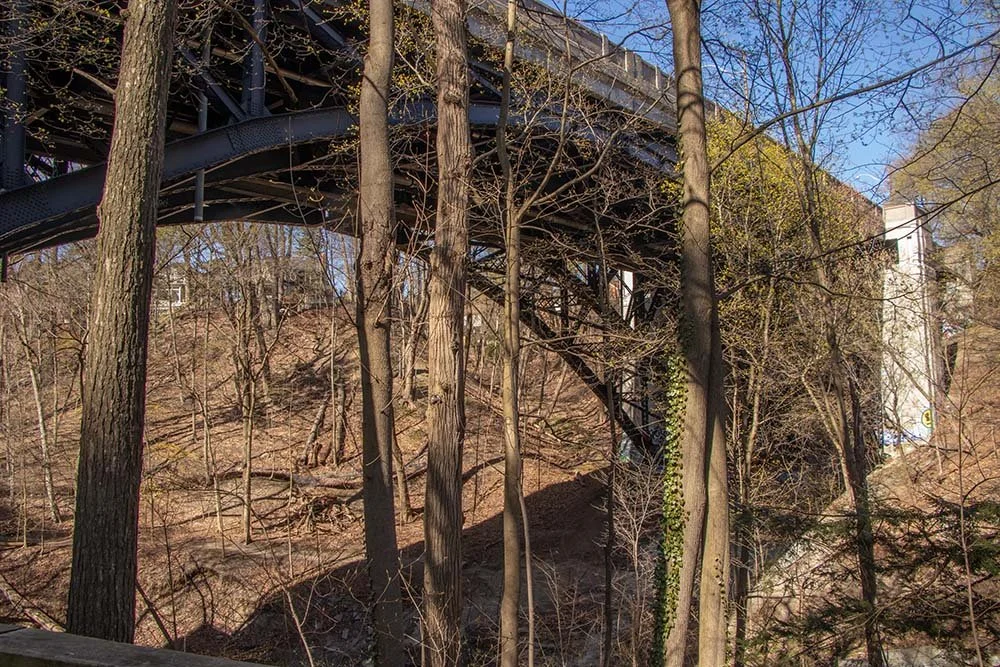
Moore Park Ravine
The Ravines That Frame Moore Park
What sets Moore Park apart from many of its midtown neighbours is how much nature borders it on every side. The Moore Park Ravine footpath stretches roughly 8 kilometres, connecting to the Don Valley Brick Works and the Rosedale Ravine system. The Belt Line Trail, built along the old rail corridor, offers a quiet path for walkers and cyclists tracing the neighbourhood's own origin story. For homeowners, that proximity to protected green space is a major draw — and a key consideration when planning a renovation or addition.
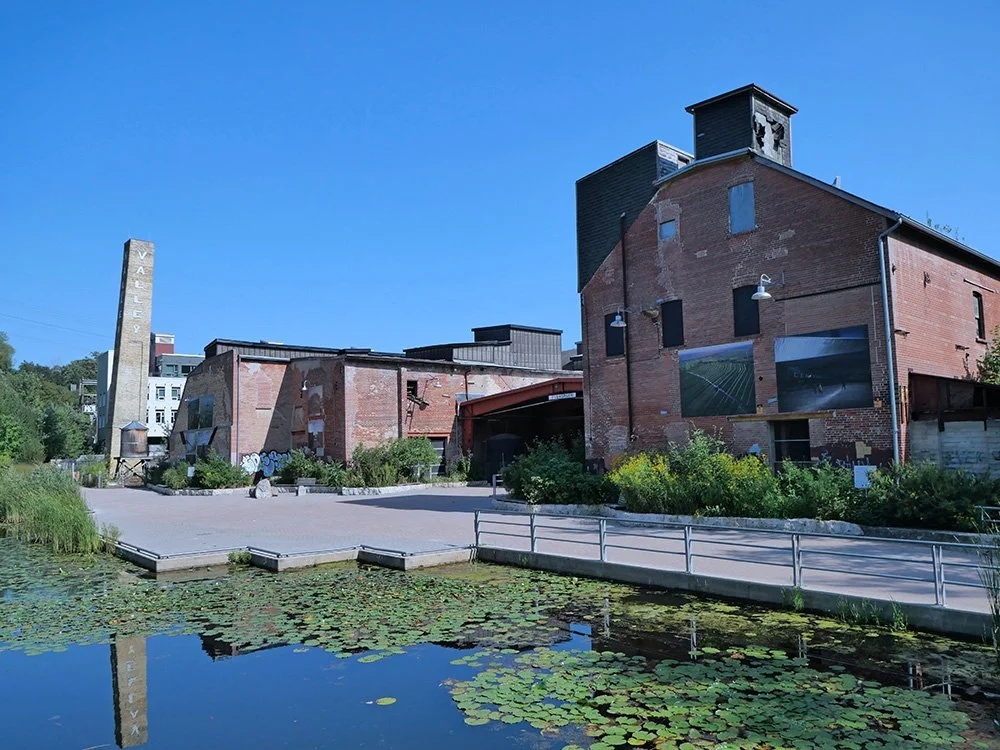
Don Valley Brick Works
Reasons to Build in Moore Park
Building or renovating in Moore Park means more than a change of address. Homeowners here enjoy:
Generous lot sizes, with 50-foot frontages standard on many of the neighbourhood's most desirable streets
A concentration of English Cottage, Georgian, and Tudor-style homes built primarily between 1908 and 1930, alongside a growing number of custom new builds
Direct access to the Moore Park Ravine, Moorevale Park, and the Belt Line Trail
A quiet, family-oriented community consistently ranked among Toronto's top neighbourhoods for families
Proximity to Rosedale, with many of the same architectural and lifestyle characteristics at a slightly different price point
Unique Renovation Considerations for Moore Park
Constructing a custom home or launching a renovation in Moore Park comes with its own set of opportunities and nuances:
Many streets fall under heritage character expectations, and larger projects — additions, roofline changes, or lot coverage increases — typically require Committee of Adjustment approval. Partnering with a builder experienced in Toronto's approvals process is essential.
Homes backing onto the Moore Park Ravine or Vale of Avoca are often subject to tree protection requirements, and construction near these natural boundaries can require an arborist report and protective fencing.
A number of Moore Park properties, including some of the neighbourhood's most desirable homes, have shared rather than private driveways — a detail that can affect access planning for larger renovation projects.
As with much of midtown Toronto, many Moore Park homes are 90–110 years old, meaning renovations often involve foundation work, knob-and-tube or aluminum wiring replacement, and structural upgrades alongside cosmetic changes.
Attractions of Living in Moore Park
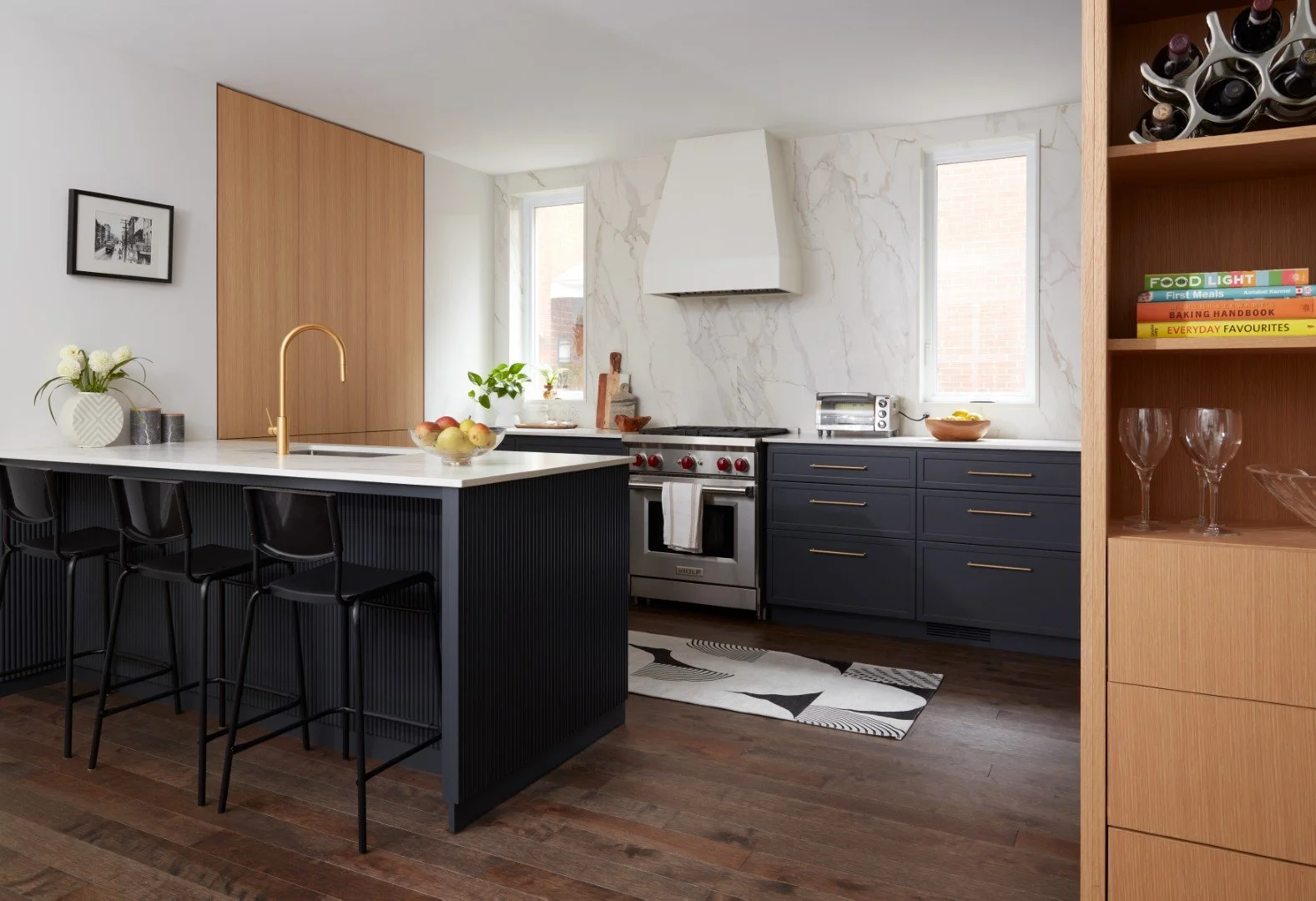
Moore Park Addition & Renovation by Lighthaus Built
What makes Moore Park special isn't just the architecture — it's the lifestyle:
Moorevale Park anchors the neighbourhood with a playground, splash pad, tennis courts, and baseball diamond
The Moore Park Ravine and Belt Line Trail offer some of midtown's best walking and cycling access, connecting through to the Brick Works
A tight-knit community culture — Moore Park has long been known for its enthusiastic, larger-than-life holiday displays each December
Easy access to two distinct shopping and dining districts: Yonge & St. Clair, and Mount Pleasant & Davisville, both known for gourmet food shops and fine dining
A small, secluded pocket of boutique shops along Summerhill Avenue in the neighbourhood's southeast corner, including Summerhill Market
Local Schools
Moore Park is served by a mix of public, Catholic, and independent schools. A few of the notable options in and around the neighbourhood:
Whitney Junior Public School
Our Lady of Perpetual Help Catholic School
Rosedale Heights School of the Arts
Northern Secondary School
Shopping and Dining
Moore Park doesn't have a commercial main street of its own, so residents lean on two nearby hubs:
Yonge & St. Clair — a well-established strip of cafes, restaurants, and everyday shopping
Mount Pleasant & Davisville — known for its concentration of gourmet food shops and fine dining
Summerhill Avenue — a small, tucked-away collection of boutique shops in the neighbourhood's southeast pocket, reachable on foot via the rail overpass, and home to Summerhill Market
Community Amenities
Parks & Trails: Moorevale Park, the Moore Park Ravine footpath, the Belt Line Trail, and nearby David A. Balfour Park
Recreation: Tennis courts and a baseball diamond at Moorevale Park, plus easy access to the Don Valley Brick Works trail network
Community Character: A strong sense of neighbourhood identity, especially visible during the holiday season
Accessibility
Transit: St. Clair subway station on Yonge Street is within walking distance of much of the neighbourhood, with bus service along St. Clair, Mount Pleasant, and Moore Avenue.
Driving: Moore Avenue provides quick access to the Bayview Extension and the Don Valley Parkway, making downtown and midtown commutes straightforward.
Walkability: Highly walkable within the neighbourhood, with the ravine trail system offering an alternative, car-free way to move around and beyond.
Build with confidence in Moore Park
Moore Park isn't just a neighbourhood — it's one of the few places in Toronto where ravine-side tranquility, century-old architecture, and genuine community character all come together. For homeowners, that makes it an exceptional place to shape a home that fits how your family actually lives, whether that's a heritage-respectful renovation or a thoughtful new addition.
At Lighthaus Built, we specialize in managing the complexities of luxury renovations and new builds in neighbourhoods like Moore Park. Our process is designed to give homeowners clarity and confidence, from pre-construction planning to the final finishes — as it did for the family behind our recent Moore Park Addition and Renovation, where a third-floor addition gave everyone their own room without leaving the neighbourhood they loved.
To learn more about how Lighthaus Built services home renovations in Moore Park, visit our Service Area Page dedicated to Moore Park. And take a look at our finished renovations on our Portfolio page.
Ready to begin your Moore Park renovation? Contact Lighthaus Built today to start planning.
Frequently Asked Questions
Do I need Committee of Adjustment approval to renovate in Moore Park?
Most additions, roofline changes, or projects that increase lot coverage in Moore Park require CofA approval. Your architect handles the application, but an experienced builder ensures what's proposed is realistic to construct and won't run into approval delays.
What architectural styles are common in Moore Park?
Moore Park is known for English Cottage, Georgian, and Tudor-style homes, most built between 1908 and 1930, alongside a smaller number of 1970s–80s townhomes and a growing wave of new custom builds.
Do I need an arborist report to build near the Moore Park ravine?
Often, yes. Properties backing onto the Moore Park Ravine or Vale of Avoca frequently fall under tree protection bylaws, which can require an arborist assessment and protective fencing during construction.
How long does a whole-home renovation take in Moore Park?
Most whole-home renovations take 8–12 months from start to finish, while additions or basement renovations typically run 6–9 months, depending on scope and approvals.
What should I budget for a Moore Park home renovation or addition?
Costs in Moore Park are broadly comparable to Rosedale, given similar lot sizes, century-old construction, and approvals processes. Download our free Toronto Renovation Cost Guide to get a clearer sense of your budget.
Is Moore Park a good neighbourhood for families?
Yes — Moore Park has long been recognized as one of Toronto's most family-friendly communities, with strong schools, quiet streets, and direct access to parks and ravine trails.

Meet the Author

Dave Cook is co-owner of Lighthaus Built and has spent 17 years working in single-family construction in Toronto. Through the years, he has worked as a carpenter, site supervisor, and project manager for more than 60+ major, high-end renovations and custom homes.
As an HCRA-licensed builder, he and his company (Lighthaus Built) are well-versed in constructing high-quality homes and take pride in what they do.
On a personal level, Dave is very active in several sports - most notably, distance running, road cycling, and tennis. He bakes bread (for personal consumption) and no, this was not a Covid thing. He grew up eating homemade bread and has made my own for the past 20 years. He has been married for 20 years and has two teenage children and a dog.

Lighthaus Built’s
FREE Toronto Renovation Cost Guide
Are you considering a home addition or full home renovation and not sure how to budget for it?
Our free guide walks you through over 50 topics and how the cost of materials, labour and design ranges so you can plan for your Design-Build home renovation in Toronto.